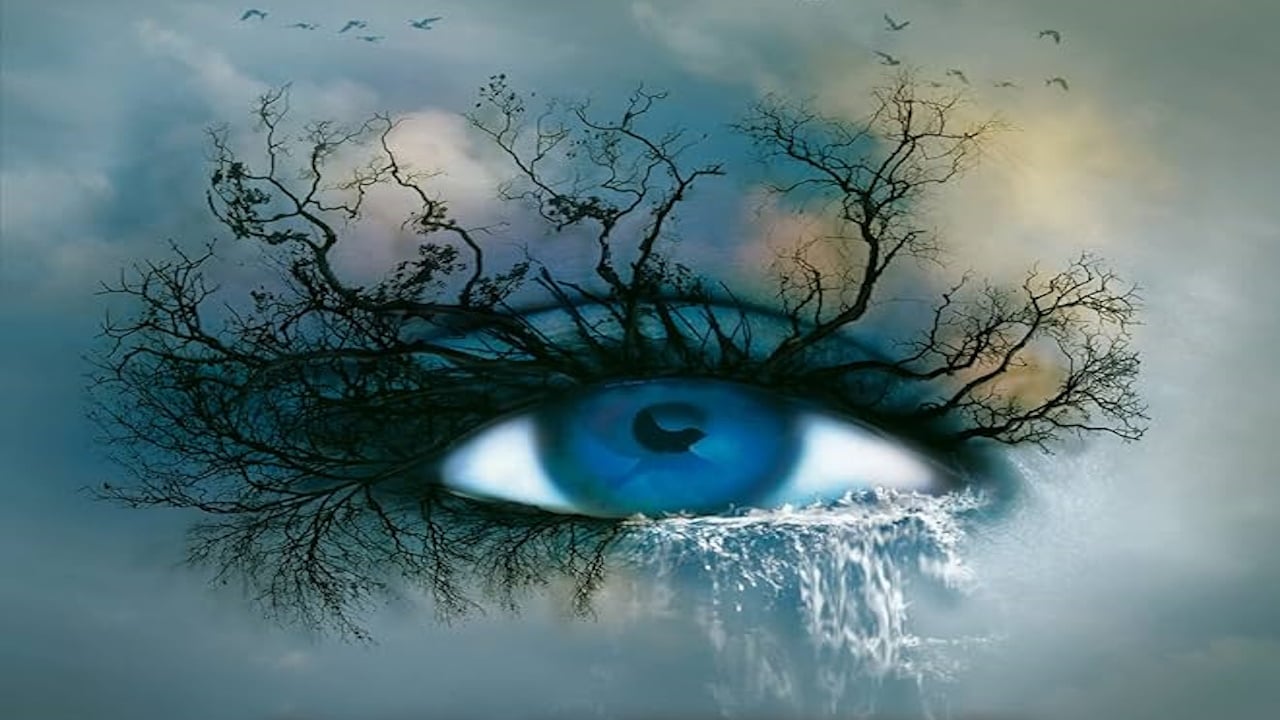
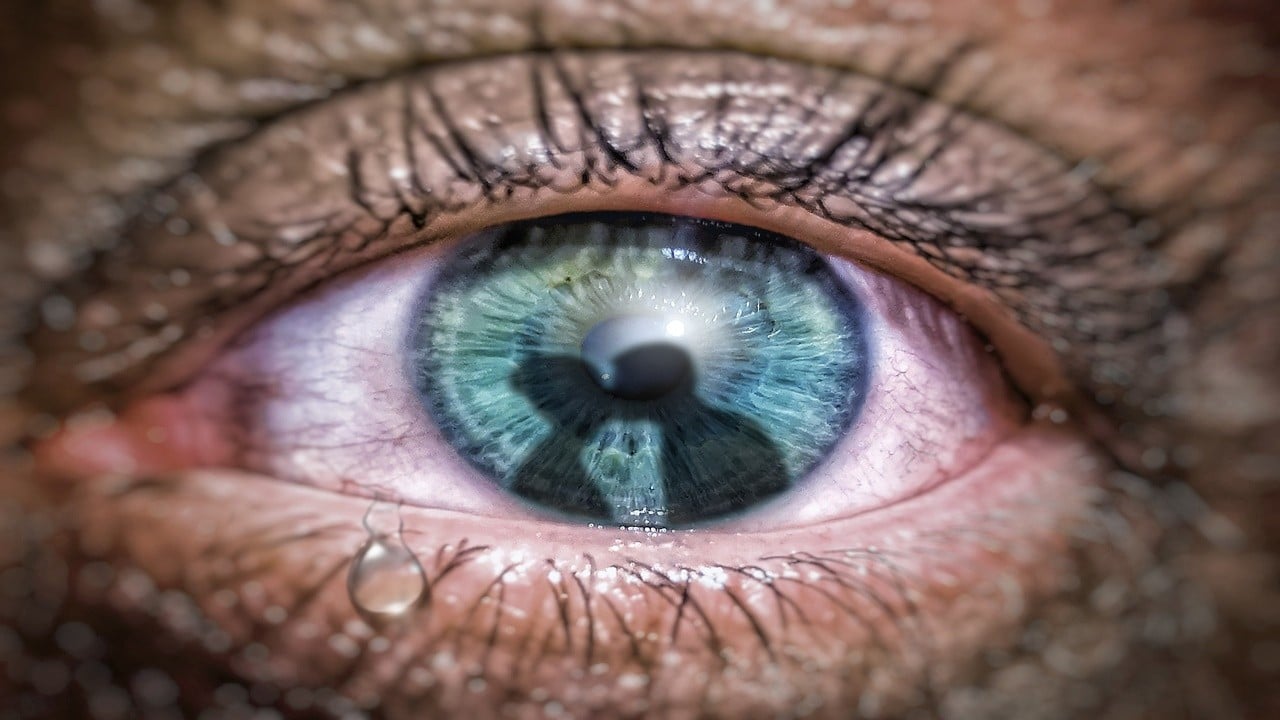
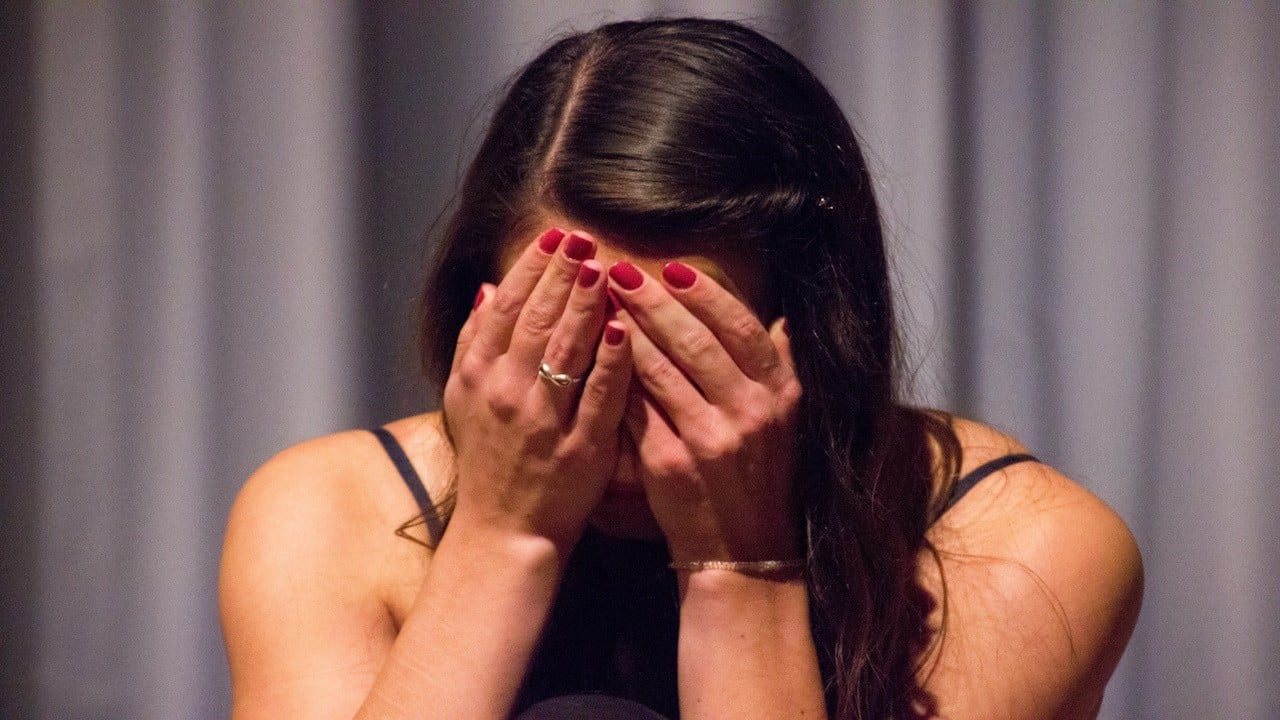
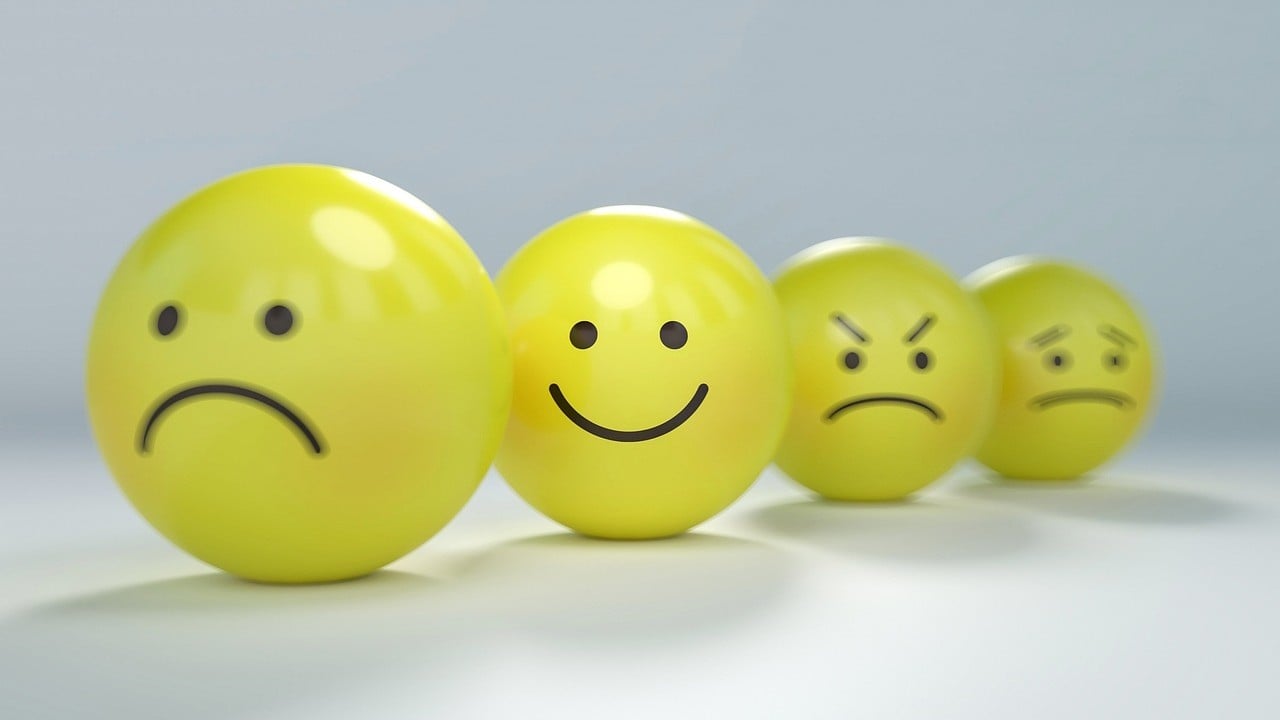
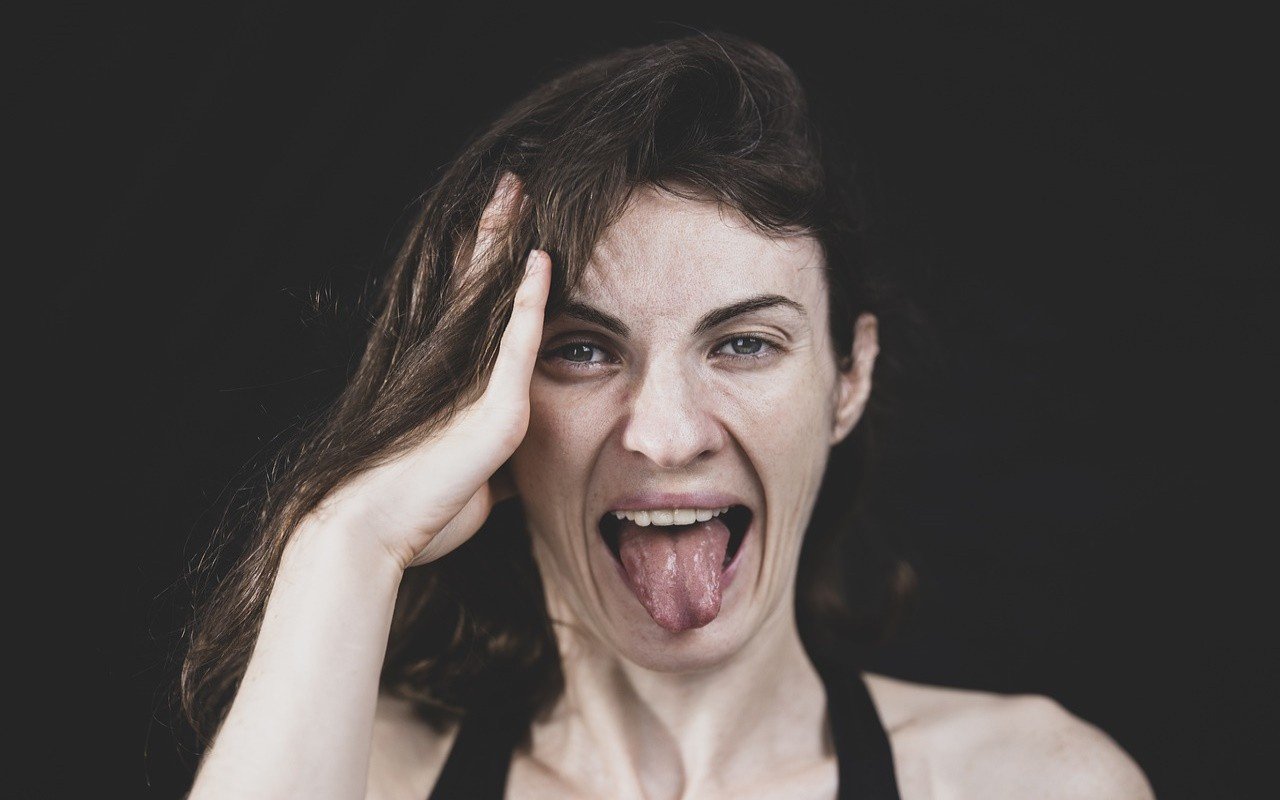
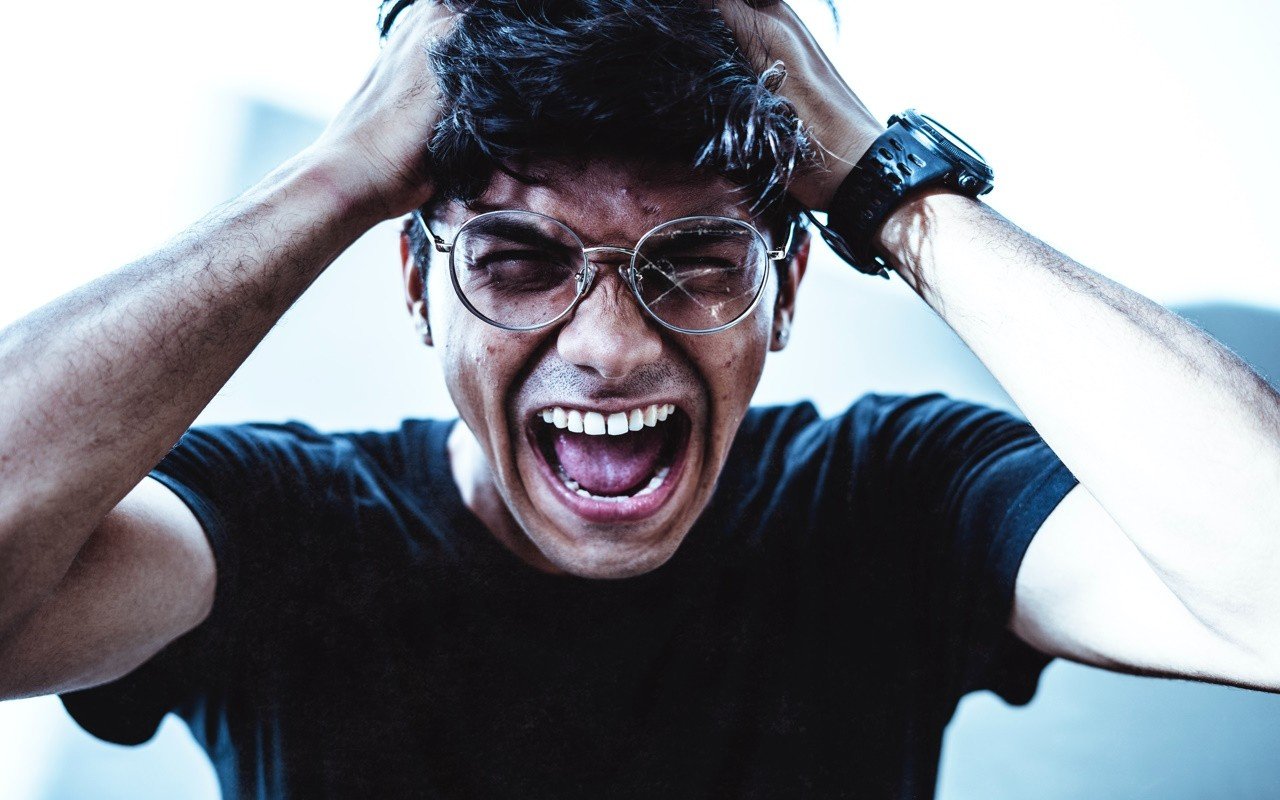
The cry baby makeup trend, that glossy, dewy, just-cried look under the eyes, gives people an unusually direct way to play with vulnerability on purpose. How someone wears it, how often, how intense, and paired with what else, tends to say something honest about their real emotional style, well beyond their taste in makeup.
Subtle Or Full Statement
Some people wear the barest hint of it, just enough gloss to nod at the trend without drawing real attention, because they keep most of their emotion contained by nature. That instinct isn't repression, it's genuine restraint, comfortable feeling things without needing them broadcast outward. Others go fully dramatic with it instead, because open expression feels honest to them, and hiding how they feel has never come naturally.
The trend also complicates the usual assumption that visible emotion equals more emotion, which isn't really how any of this works. Someone wearing the barest hint of the look might process feelings just as intensely as someone in full dramatic makeup, they've simply decided that intensity doesn't need to be legible to a stranger. Visibility and depth are two separate dials, not one.
Where Complexity And Control Come In
A few other instincts show up here too. Some people pair the look with something soft and muted everywhere else, because their emotional processing tends to be gentle, without much outward display. Others pair it with something bold and contrasting, because their emotions genuinely feel layered and complex rather than simple. Some only wear it for specific occasions, releasing intensity when the moment calls for it rather than constantly. And some wear it every single day, because emotional honesty has simply become part of how they show up, not a special occasion at all.
Context matters more than most people assume too. The same person might wear it subtly to work and go fully dramatic with friends on a weekend, and that's not inconsistency, it's someone correctly reading which environments can hold their full range and which ones can't. Emotional style, in that sense, isn't just about how much someone feels, it's about how well they can predict which rooms are safe enough to show it.
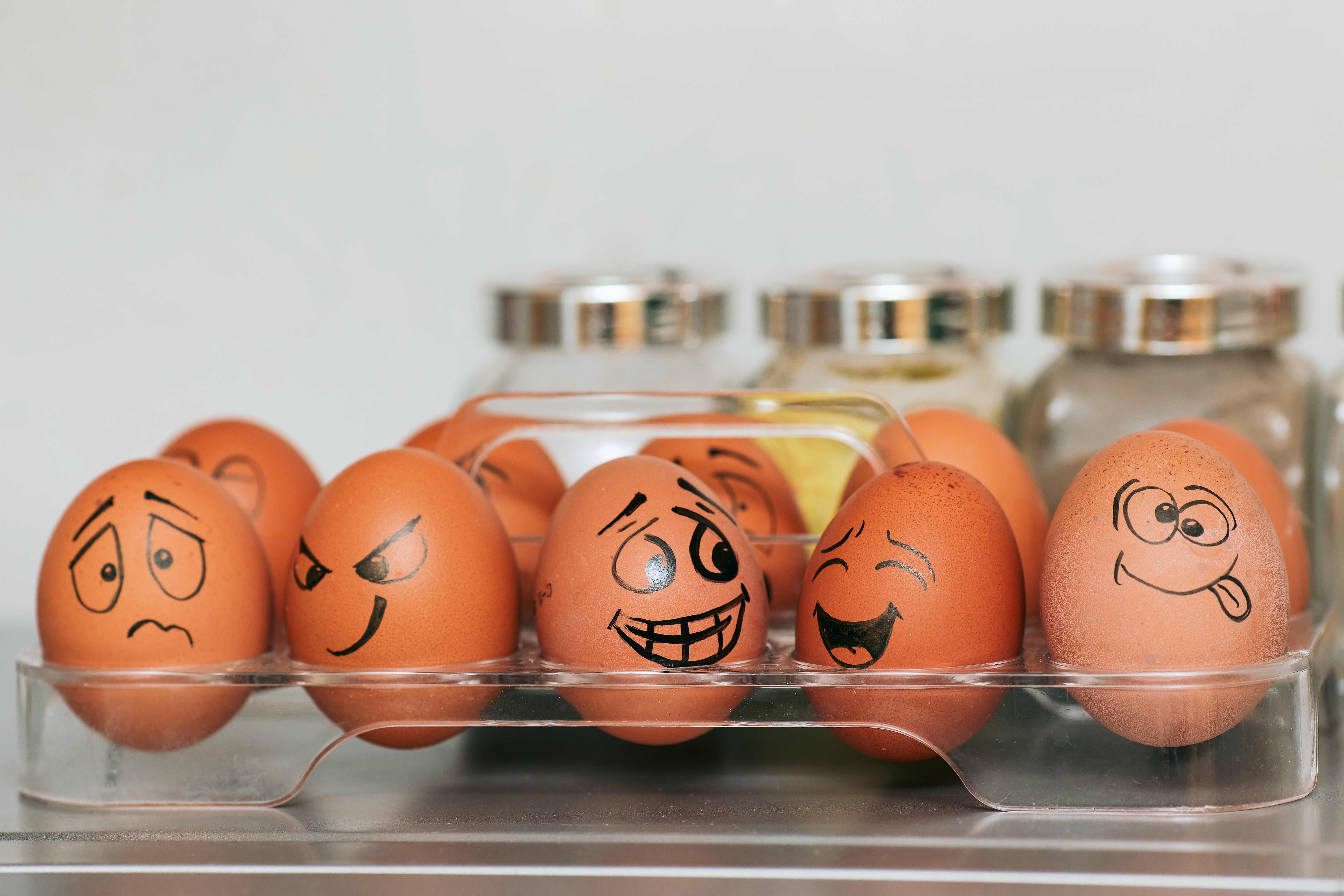
Six emotional styles show up across the results here: the contained expressor, the open expressor, the gentle processor, the layered feeler, the occasion-based releaser, and the everyday honest one. None of these six is a healthier way to feel, they're just different honest ways of relating to your own emotions.
Answer with your genuine instinct rather than the version of yourself that sounds the most put together. This kind of pattern rarely stays confined to makeup either, the same instinct that decides how openly someone wears their feelings on their face tends to show up in how openly they talk about those feelings with the people closest to them. None of these six styles is the healthy one and the rest unhealthy either, a contained expressor isn't repressed and an open expressor isn't fragile, they're simply built to release emotion on different timelines, and knowing your own tends to make it easier to explain yourself to people who process things differently than you do.