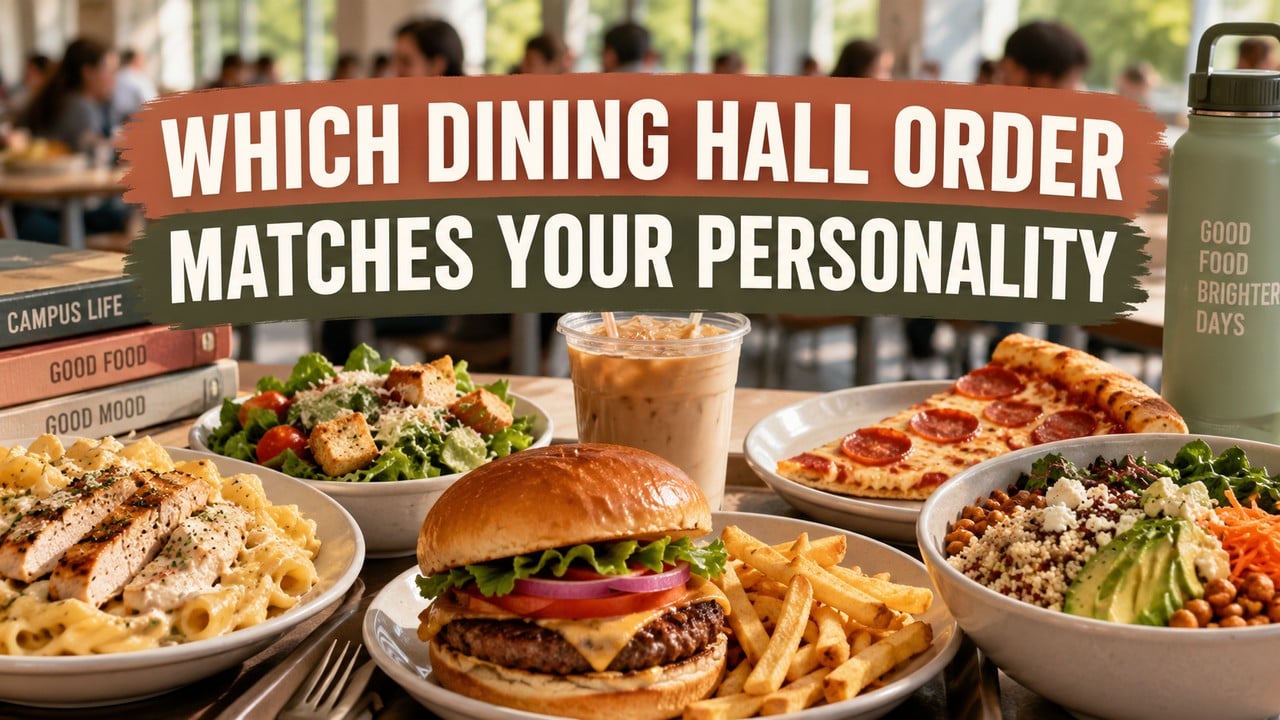
Comfort food is not the same as favourite food, and mixing the two up is where most of these conversations go wrong. Favourite food is what you would order at a good restaurant on a night you were looking forward to. Comfort food is what you want at half past nine on a bad Tuesday when something has gone wrong and you cannot face a decision. Those are almost never the same dish, and the second one is far more interesting, because nobody chooses it to impress anybody.
Comfort Food Is Mostly About Who Made It
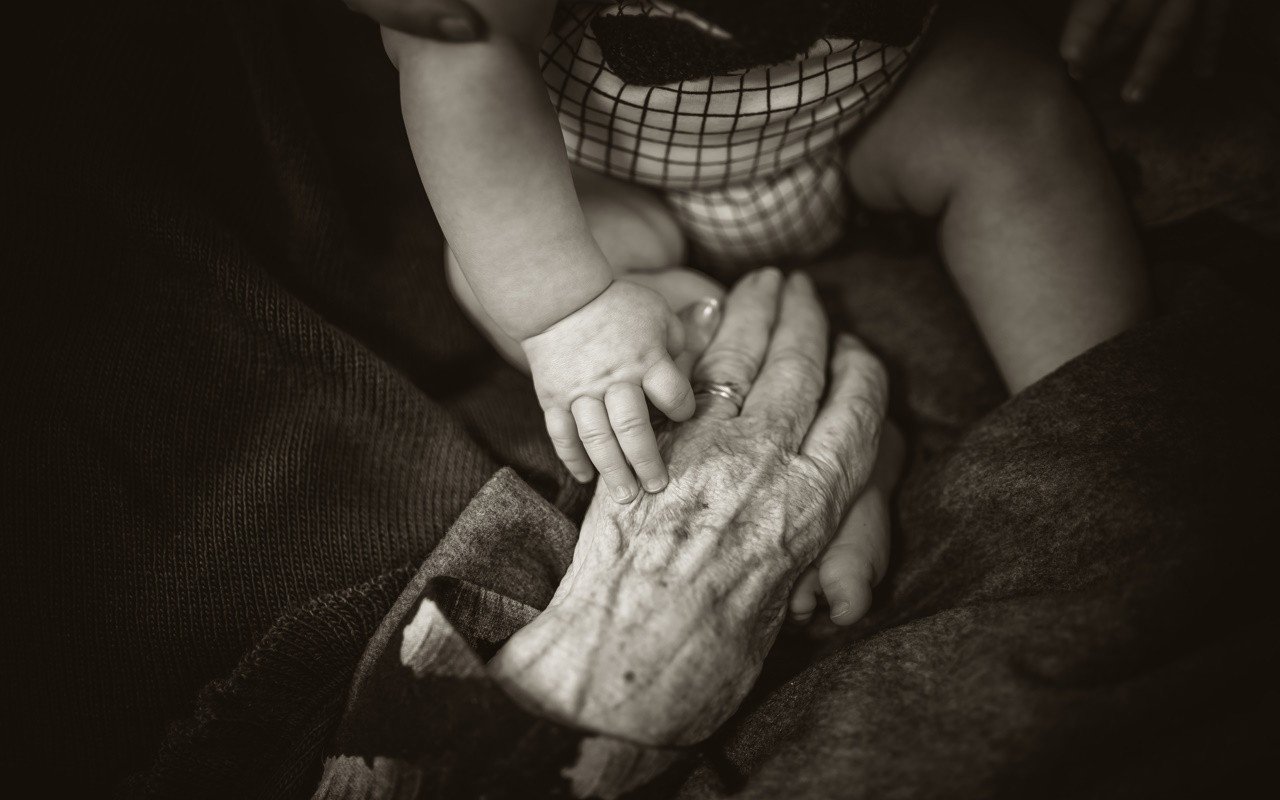
Dig into anybody's comfort food and there is usually a person underneath it. A specific way somebody cooked something. A dish that appeared whenever you were ill. The thing your grandmother made that you have never been able to replicate properly, and probably never will, because half of it was the kitchen it happened in. This is why comfort food is so resistant to improvement. Making a better version often makes it worse, since accuracy to the memory matters more than quality, and a fancy upgrade breaks the whole effect.
Effort Or No Effort?
A genuine split, and it does not map onto how much people like cooking. For some, comfort is a dish that takes four hours, because the cooking is the comforting part and the eating is almost secondary. For others, comfort is toast, precisely because it requires nothing at all from someone who has nothing left to give. Both are valid and both fail if applied to the wrong mood. Telling an exhausted toast person to make a roast is not helpful, and handing a roast person a slice of toast will not touch the sides.
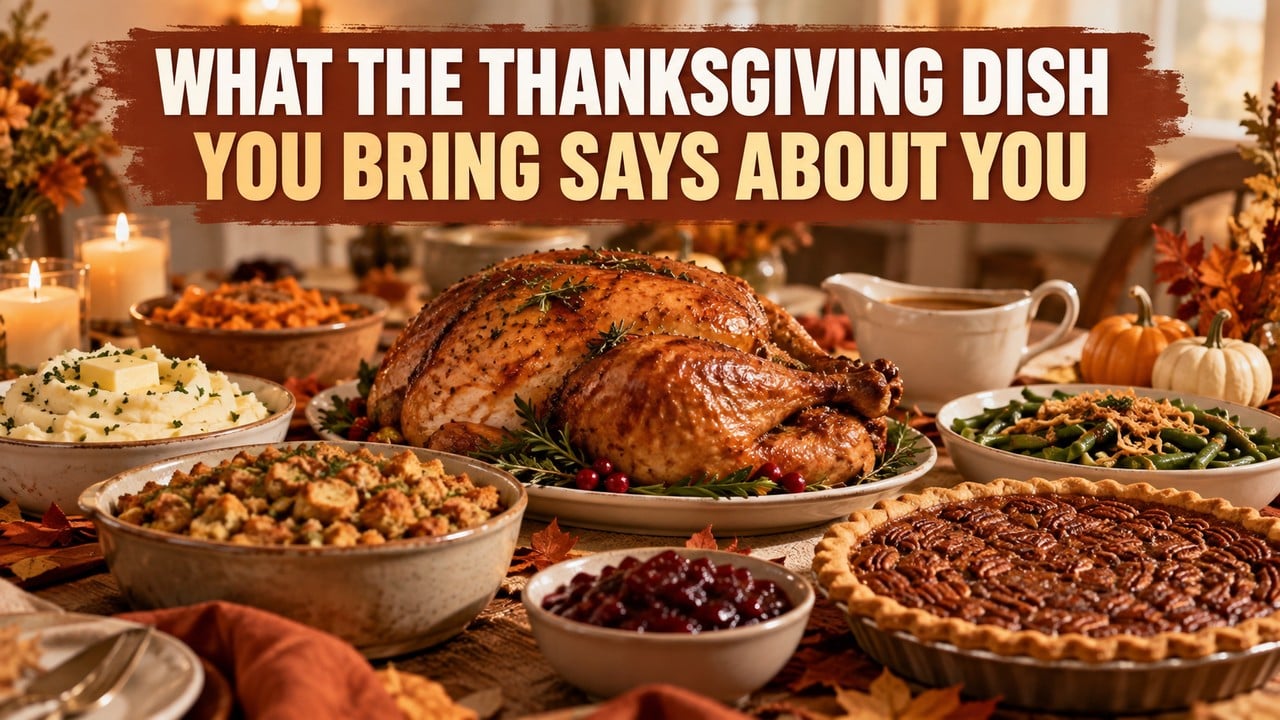
Some comfort foods want an audience and some emphatically do not. A roast dinner is a group activity by design, and eating one alone has a slight melancholy to it. A pasta bake is made for feeding several people out of one dish. Meanwhile buttered toast at eleven at night is a private act, and so is a bowl of something eaten standing up at the counter. If your comfort food is a shared one, a bad week probably means you need people. If it is a solitary one, a bad week probably means you need to be left alone, and it is worth knowing which.
No Shame In The Takeaway
It gets treated as the lazy answer, which misunderstands what it is doing. Ordering food is a decision to hand the whole problem to somebody else for an hour, and for a certain kind of person that transfer is the comforting part rather than the food itself. It is the only option on this list that includes being looked after. For anybody who spends most of their life being the person who sorts things out, that is not laziness, it is the single most restorative thing available on a Wednesday.
What It Says About Your Recovery Style
That is the real use of this. Your comfort food is a small map of how you recover. Slow cookers recover through process and time. Toast people recover through minimal demands. Group-dish people recover through company. Takeaway people recover by handing over control. Dessert people recover by going straight back to childhood, which is the most direct route available and works more often than anybody admits. Knowing your route makes bad weeks noticeably shorter, because you stop trying the wrong remedy first.
Answer for half past nine on a bad Tuesday rather than a good night out, and see which one is yours.