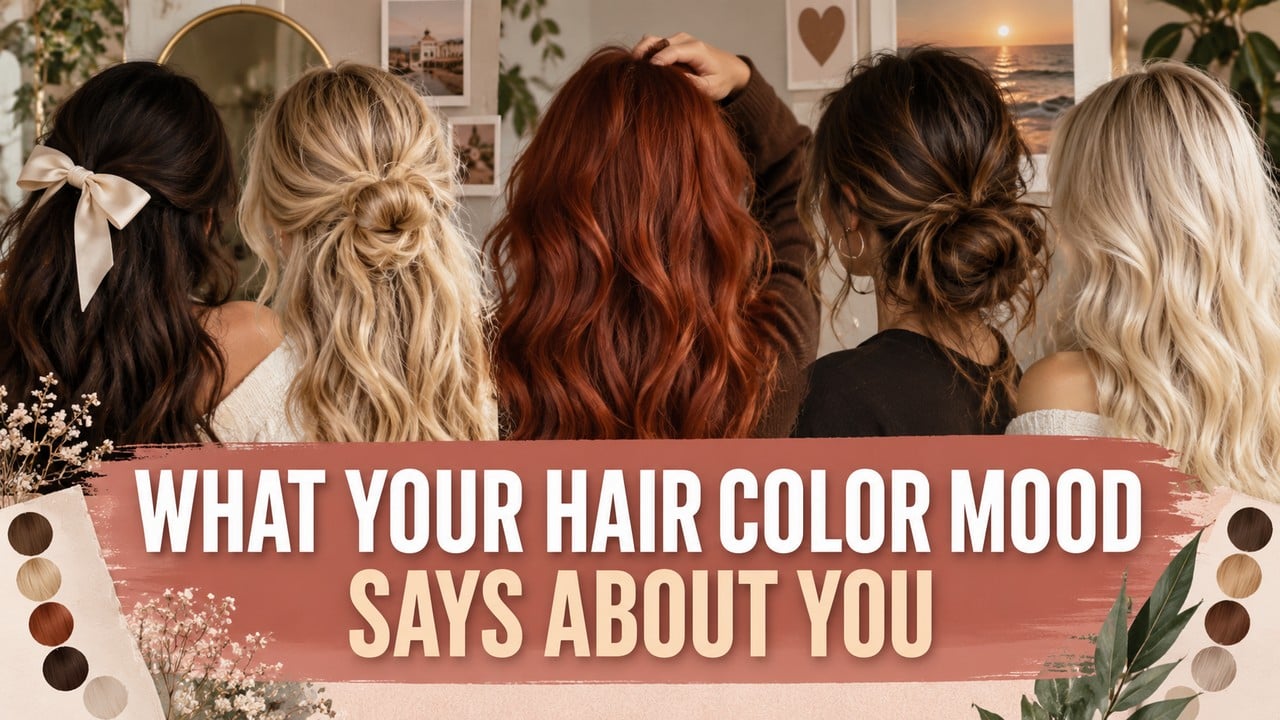
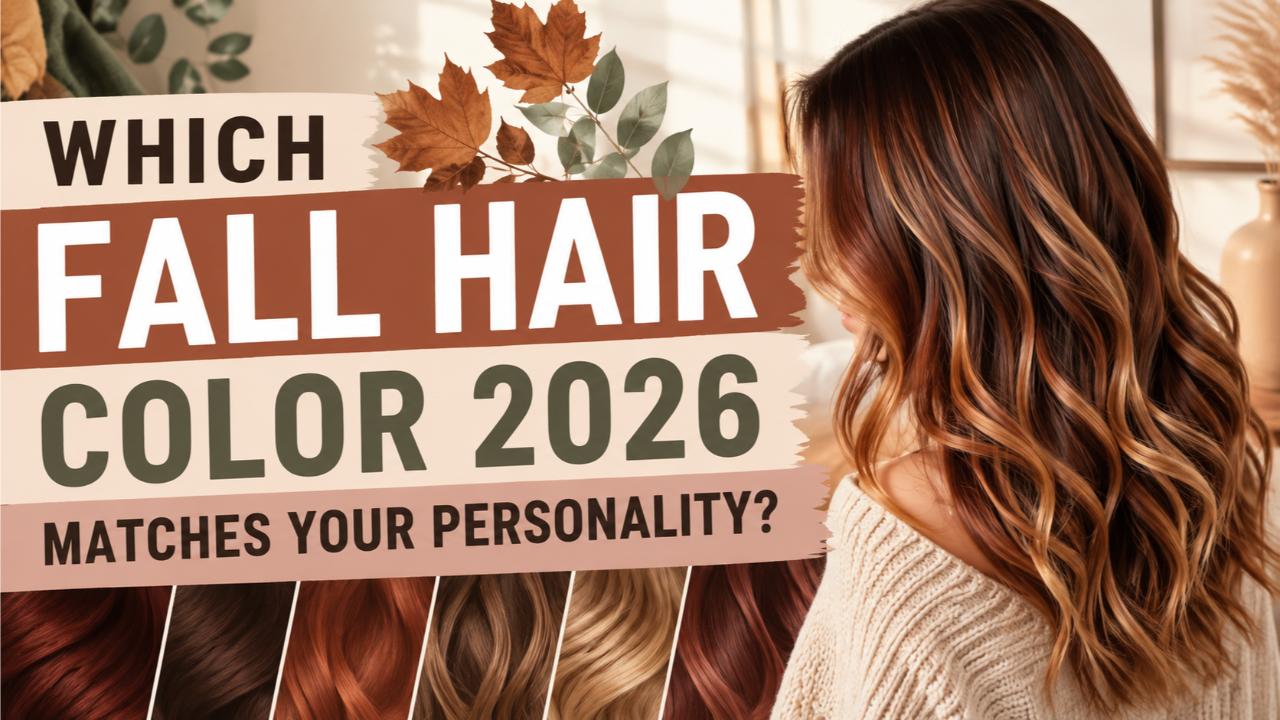
There's a whole body of advice about matching hair color to skin tone, warm shades for warm undertones, cool shades for cool undertones, and how someone actually treats that advice, following it strictly, trusting pure instinct over any theory, choosing whatever's gotten them the most compliments before, deliberately picking something that contrasts rather than matches, sticking with whatever's closest to their natural shade, or chasing whatever's trending regardless of the actual guidance, reveals real things about how they relate to rules in general, not just hair color specifically.
Strict Rule-Following Versus Pure Instinct
Some people follow the warm-cool matching advice strictly, researching their actual undertone and picking a shade specifically calibrated to flatter it, because they trust that the guidance exists for a real reason and want to actually benefit from it. That instinct isn't a lack of independent taste, it's genuine respect for expertise, believing that some rules earn their place through real results. Others trust pure instinct over any theory instead, picking whatever color genuinely appeals to them regardless of what a chart says should technically work, because they've learned their own eye is a better judge than a general rule ever could be.
The rule-follower crowd tends to actually enjoy the research part, treating undertone identification almost like solving a small, satisfying puzzle. The instinct-truster crowd skips that step entirely, since for them the whole appeal of a personal choice is that it doesn't need external validation to feel right.
Compliment-Chasing, Deliberate Contrast, Sticking With Natural, Or Chasing Trends
A few other instincts show up here too. Some people choose whatever's gotten them the most compliments in the past, because real, lived feedback matters more to them than any theoretical guidance about undertones. Others deliberately pick something that contrasts rather than matches, because they like the visual tension of a color that pushes against expectation rather than blending smoothly into it. Some stick with whatever's closest to their natural shade, because they've never felt the need to solve a problem, matching or otherwise, that they didn't actually feel they had. And some chase whatever's trending regardless of the guidance, because staying current matters more to them than whether a specific shade is technically the most flattering option available.
It's worth noticing how each type reacts to being told their chosen color doesn't technically match their undertone. The rule-followers tend to take it seriously, actually reconsidering. The instinct-trusters and contrast-seekers barely register it as relevant feedback, since the rule was never really the thing guiding their choice in the first place.
What Your Approach Actually Reveals
Whichever approach you'd actually take reveals something honest about how you relate to rules and guidance in general, respect for expertise, trust in your own eye, value placed on lived feedback, appetite for contrast, contentment with what you have, or priority placed on staying current.
None of these approaches is really about hair color at its core either. They're each a small, low-stakes window into how a person handles guidance in general, whether that guidance comes from a color chart, a piece of advice from a friend, or a rule they were taught once and never fully questioned. A hair appointment is genuinely one of the safer places to notice this pattern in yourself, since even a choice that turns out wrong is temporary, reversible, and rarely costs anyone anything beyond a little time and money.